Choose Which Site You Want To See


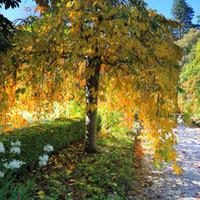
Silver birch makes an attractive addition to a native hedging scheme. Its delicate stems and twigs form a dense screen, even when bare in winter. Brown catkins hang down in late spring and summer, against the back drop of leaves, adding extra interest - and of course the silver/white coloured bark...
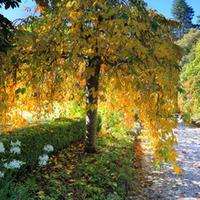
Silver birch makes an attractive addition to a native hedging scheme. Its delicate stems and twigs form a dense screen, even when bare in winter. Brown catkins hang down in late spring and summer, against the back drop of leaves, adding extra interest - and of course the silver/white coloured bark...
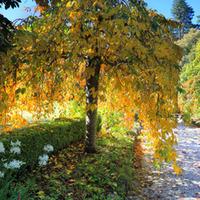
Silver birch makes an attractive addition to a native hedging scheme. Its delicate stems and twigs form a dense screen, even when bare in winter. Brown catkins hang down in late spring and summer, against the back drop of leaves, adding extra interest - and of course the silver/white coloured bark...
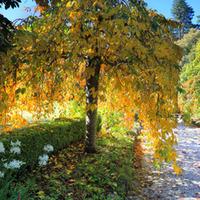
Silver birch makes an attractive addition to a native hedging scheme. Its delicate stems and twigs form a dense screen, even when bare in winter. Brown catkins hang down in late spring and summer, against the back drop of leaves, adding extra interest - and of course the silver/white coloured bark...
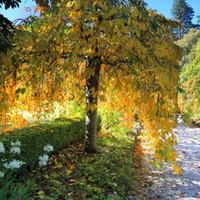
Silver birch makes an attractive addition to a native hedging scheme. Its delicate stems and twigs form a dense screen, even when bare in winter. Brown catkins hang down in late spring and summer, against the back drop of leaves, adding extra interest - and of course the silver/white coloured bark...
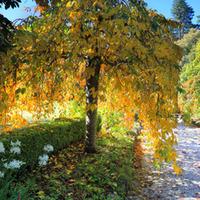
Silver birch makes an attractive addition to a native hedging scheme. Its delicate stems and twigs form a dense screen, even when bare in winter. Brown catkins hang down in late spring and summer, against the back drop of leaves, adding extra interest - and of course the silver/white coloured bark...
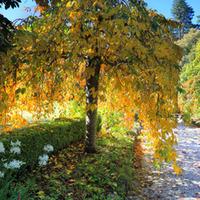
Silver birch makes an attractive addition to a native hedging scheme. Its delicate stems and twigs form a dense screen, even when bare in winter. Brown catkins hang down in late spring and summer, against the back drop of leaves, adding extra interest - and of course the silver/white coloured bark...
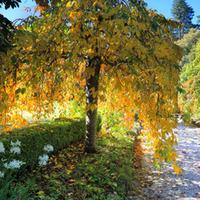
Silver birch makes an attractive addition to a native hedging scheme. Its delicate stems and twigs form a dense screen, even when bare in winter. Brown catkins hang down in late spring and summer, against the back drop of leaves, adding extra interest - and of course the silver/white coloured bark...

With its fine, attractive leaves, clusters of white flowers in spring, and bright orange or red autumn berries, the Rowan is a good-looking choice for a hedging plant. But that's not the only reason for choosing the Mountain Ash. Once established, it is a fast-grower and responds well to being...

If you are thinking of planting a native hedgerow, choose Hornbeam as part of the mix. Its impressive qualities include leaves which turn golden yellow in autumn, and fluted, grey coloured branches that look good through the winter. Keep Carpinus betulus to the size you require and it makes a great...

With its fine, attractive leaves, clusters of white flowers in spring, and bright orange or red autumn berries, the Rowan is a good-looking choice for a hedging plant. But that's not the only reason for choosing the Mountain Ash. Once established, it is a fast-grower and responds well to being...

With its fine, attractive leaves, clusters of white flowers in spring, and bright orange or red autumn berries, the Rowan is a good-looking choice for a hedging plant. But that's not the only reason for choosing the Mountain Ash. Once established, it is a fast-grower and responds well to being...

With its fine, attractive leaves, clusters of white flowers in spring, and bright orange or red autumn berries, the Rowan is a good-looking choice for a hedging plant. But that's not the only reason for choosing the Mountain Ash. Once established, it is a fast-grower and responds well to being...
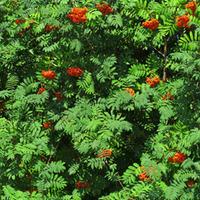
With its fine, attractive leaves, clusters of white flowers in spring, and bright orange or red autumn berries, the Rowan is a good-looking choice for a hedging plant. But that's not the only reason for choosing the Mountain Ash. Once established, it is a fast-grower and responds well to being...
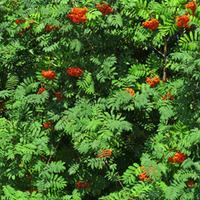
With its fine, attractive leaves, clusters of white flowers in spring, and bright orange or red autumn berries, the Rowan is a good-looking choice for a hedging plant. But that's not the only reason for choosing the Mountain Ash. Once established, it is a fast-grower and responds well to being...

If you are thinking of planting a native hedgerow, choose Hornbeam as part of the mix. Its impressive qualities include leaves which turn golden yellow in autumn, and fluted, grey coloured branches that look good through the winter. Keep Carpinus betulus to the size you require and it makes a great...

If you are thinking of planting a native hedgerow, choose Hornbeam as part of the mix. Its impressive qualities include leaves which turn golden yellow in autumn, and fluted, grey coloured branches that look good through the winter. Keep Carpinus betulus to the size you require and it makes a great...

If you are thinking of planting a native hedgerow, choose Hornbeam as part of the mix. Its impressive qualities include leaves which turn golden yellow in autumn, and fluted, grey coloured branches that look good through the winter. Keep Carpinus betulus to the size you require and it makes a great...

If you are thinking of planting a native hedgerow, choose Hornbeam as part of the mix. Its impressive qualities include leaves which turn golden yellow in autumn, and fluted, grey coloured branches that look good through the winter. Keep Carpinus betulus to the size you require and it makes a great...

If you are thinking of planting a native hedgerow, choose Hornbeam as part of the mix. Its impressive qualities include leaves which turn golden yellow in autumn, and fluted, grey coloured branches that look good through the winter. Keep Carpinus betulus to the size you require and it makes a great...
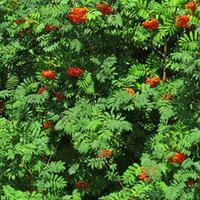
With its fine, attractive leaves, clusters of white flowers in spring, and bright orange or red autumn berries, the Rowan is a good-looking choice for a hedging plant. But that's not the only reason for choosing the Mountain Ash. Once established, it is a fast-grower and responds well to being...

If you are thinking of planting a native hedgerow, choose Hornbeam as part of the mix. Its impressive qualities include leaves which turn golden yellow in autumn, and fluted, grey coloured branches that look good through the winter. Keep Carpinus betulus to the size you require and it makes a great...

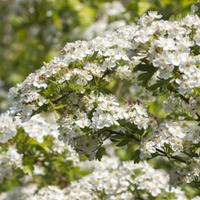
Hawthorn is often grown as part of a native hedgerow, where its clusters of white flowers are a distinctive sight in spring. Later in the year these become bunches of red berries, greatly sought after by birds. Hawthorn has another useful quality - with thorny branches it grows into a dense and...
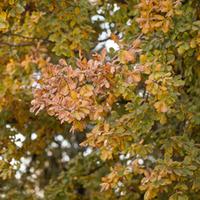
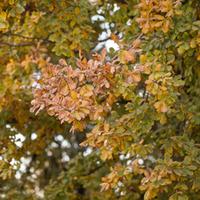
The most traditional of British native trees, Oak is easily recognised by its distinctive leaves and acorns. Its robust growth and branching habit mean that it can be grown successfully as part of a mixed hedgerow or planted as an Oak hedge. It will quickly form a dense screen and be a haven for...

Hawthorn is often grown as part of a native hedgerow, where its clusters of white flowers are a distinctive sight in spring. Later in the year these become bunches of red berries, greatly sought after by birds. Hawthorn has another useful quality - with thorny branches it grows into a dense and...

Hawthorn is often grown as part of a native hedgerow, where its clusters of white flowers are a distinctive sight in spring. Later in the year these become bunches of red berries, greatly sought after by birds. Hawthorn has another useful quality - with thorny branches it grows into a dense and...
Hawthorn is often grown as part of a native hedgerow, where its clusters of white flowers are a distinctive sight in spring. Later in the year these become bunches of red berries, greatly sought after by birds. Hawthorn has another useful quality - with thorny branches it grows into a dense and...

Hawthorn is often grown as part of a native hedgerow, where its clusters of white flowers are a distinctive sight in spring. Later in the year these become bunches of red berries, greatly sought after by birds. Hawthorn has another useful quality - with thorny branches it grows into a dense and...

Hawthorn is often grown as part of a native hedgerow, where its clusters of white flowers are a distinctive sight in spring. Later in the year these become bunches of red berries, greatly sought after by birds. Hawthorn has another useful quality - with thorny branches it grows into a dense and...

The most traditional of British native trees, Oak is easily recognised by its distinctive leaves and acorns. Its robust growth and branching habit mean that it can be grown successfully as part of a mixed hedgerow or planted as an Oak hedge. It will quickly form a dense screen and be a haven for...
The most traditional of British native trees, Oak is easily recognised by its distinctive leaves and acorns. Its robust growth and branching habit mean that it can be grown successfully as part of a mixed hedgerow or planted as an Oak hedge. It will quickly form a dense screen and be a haven for...

The most traditional of British native trees, Oak is easily recognised by its distinctive leaves and acorns. Its robust growth and branching habit mean that it can be grown successfully as part of a mixed hedgerow or planted as an Oak hedge. It will quickly form a dense screen and be a haven for...
The most traditional of British native trees, Oak is easily recognised by its distinctive leaves and acorns. Its robust growth and branching habit mean that it can be grown successfully as part of a mixed hedgerow or planted as an Oak hedge. It will quickly form a dense screen and be a haven for...
The most traditional of British native trees, Oak is easily recognised by its distinctive leaves and acorns. Its robust growth and branching habit mean that it can be grown successfully as part of a mixed hedgerow or planted as an Oak hedge. It will quickly form a dense screen and be a haven for...

Hawthorn is often grown as part of a native hedgerow, where its clusters of white flowers are a distinctive sight in spring. Later in the year these become bunches of red berries, greatly sought after by birds. Hawthorn has another useful quality - with thorny branches it grows into a dense and...
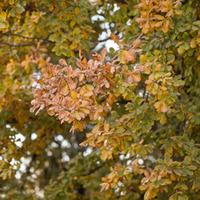
The most traditional of British native trees, Oak is easily recognised by its distinctive leaves and acorns. Its robust growth and branching habit mean that it can be grown successfully as part of a mixed hedgerow or planted as an Oak hedge. It will quickly form a dense screen and be a haven for...
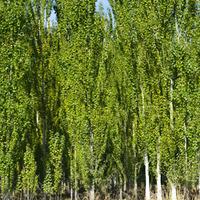
The rich, dark leaves of White Poplar have a silver/white underside, giving an interesting effect as the tree is ruffled by the wind. A common sight in the English countryside, the White Poplar is used by farmers to provide a windbreak to protect crops. It is also happy to be kept clipped to your...
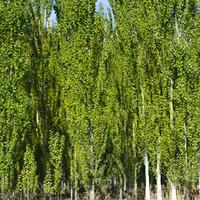
The rich, dark leaves of White Poplar have a silver/white underside, giving an interesting effect as the tree is ruffled by the wind. A common sight in the English countryside, the White Poplar is used by farmers to provide a windbreak to protect crops. It is also happy to be kept clipped to your...
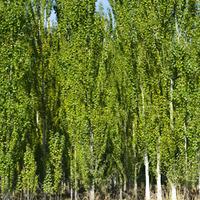
The rich, dark leaves of White Poplar have a silver/white underside, giving an interesting effect as the tree is ruffled by the wind. A common sight in the English countryside, the White Poplar is used by farmers to provide a windbreak to protect crops. It is also happy to be kept clipped to your...
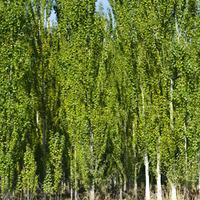
The rich, dark leaves of White Poplar have a silver/white underside, giving an interesting effect as the tree is ruffled by the wind. A common sight in the English countryside, the White Poplar is used by farmers to provide a windbreak to protect crops. It is also happy to be kept clipped to your...